GCF Blue Economy Video Case Study | Yans Media
The Challenge
The Green Climate Fund faced a critical visibility problem ahead of the UN Ocean Conference (UNOC3). Despite financing major ocean-climate projects across vulnerable coastal regions, GCF remained largely invisible to the policymakers, investors, and community leaders who could benefit most from their work.

The challenge was significant: SDG 14 (Life Below Water) was progressing slower than any other Sustainable Development Goal, yet the sustainable blue economy—a multi-trillion-dollar sector encompassing fisheries, tourism, and renewable energy—remained poorly understood by decision-makers. GCF needed to position itself as the leading funding mechanism for ocean-climate solutions while making complex climate finance accessible to diverse audiences: finance ministers evaluating investment opportunities, environmental advocates tracking biodiversity protection, and Pacific Island communities dependent on tuna fisheries for survival.

Traditional conference materials—policy briefs, PowerPoint decks, data reports—wouldn't break through at a high-stakes UN gathering where hundreds of organizations compete for attention. GCF needed visual storytelling that could work across contexts: projected on conference screens, shared via social media, embedded in grant proposals, and understood by audiences with vastly different levels of climate finance literacy.
Our Mixed Media Approach
Partnering with Future By Design, we created a nonprofit explainer video using mixed media animation—blending illustrated 2D animation with real-world photography to make the abstract concept of "sustainable blue economy" feel concrete, urgent, and achievable.

Visual Strategy:
The video opens with an inviting question—"Have you heard about the Blue Economy?"—immediately positioning the content as educational rather than promotional. We then built a four-part visual narrative:
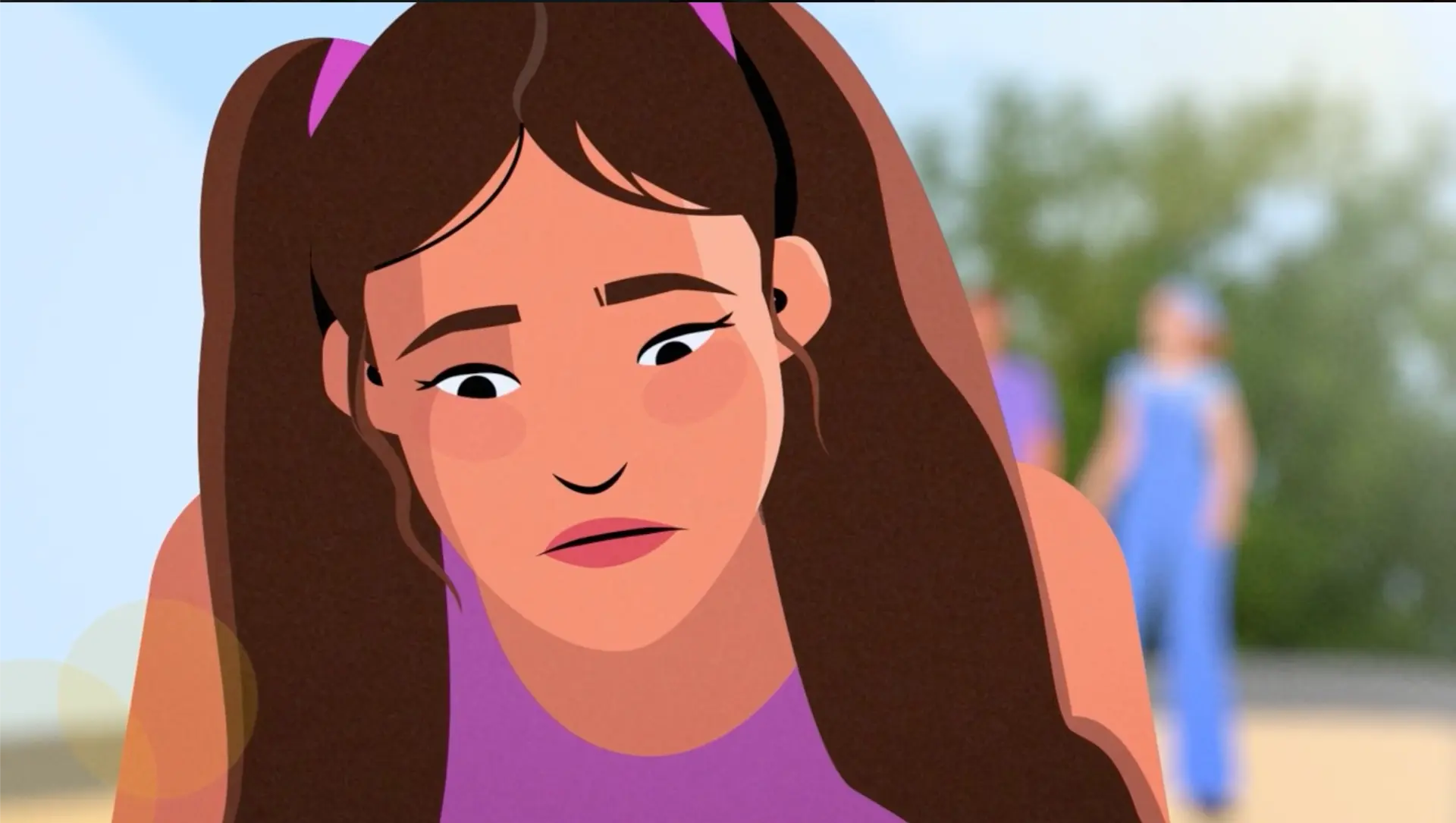
- Defining the concept: Clean, optimistic illustrations show fishing boats, coastal villages, mangrove ecosystems, and thriving coral reefs in vibrant blues, greens, and yellows
- Explaining sustainability: Visual contrasts show small-scale sustainable fishing coexisting with marine life, versus industrial-scale threats suggested through scale and tension
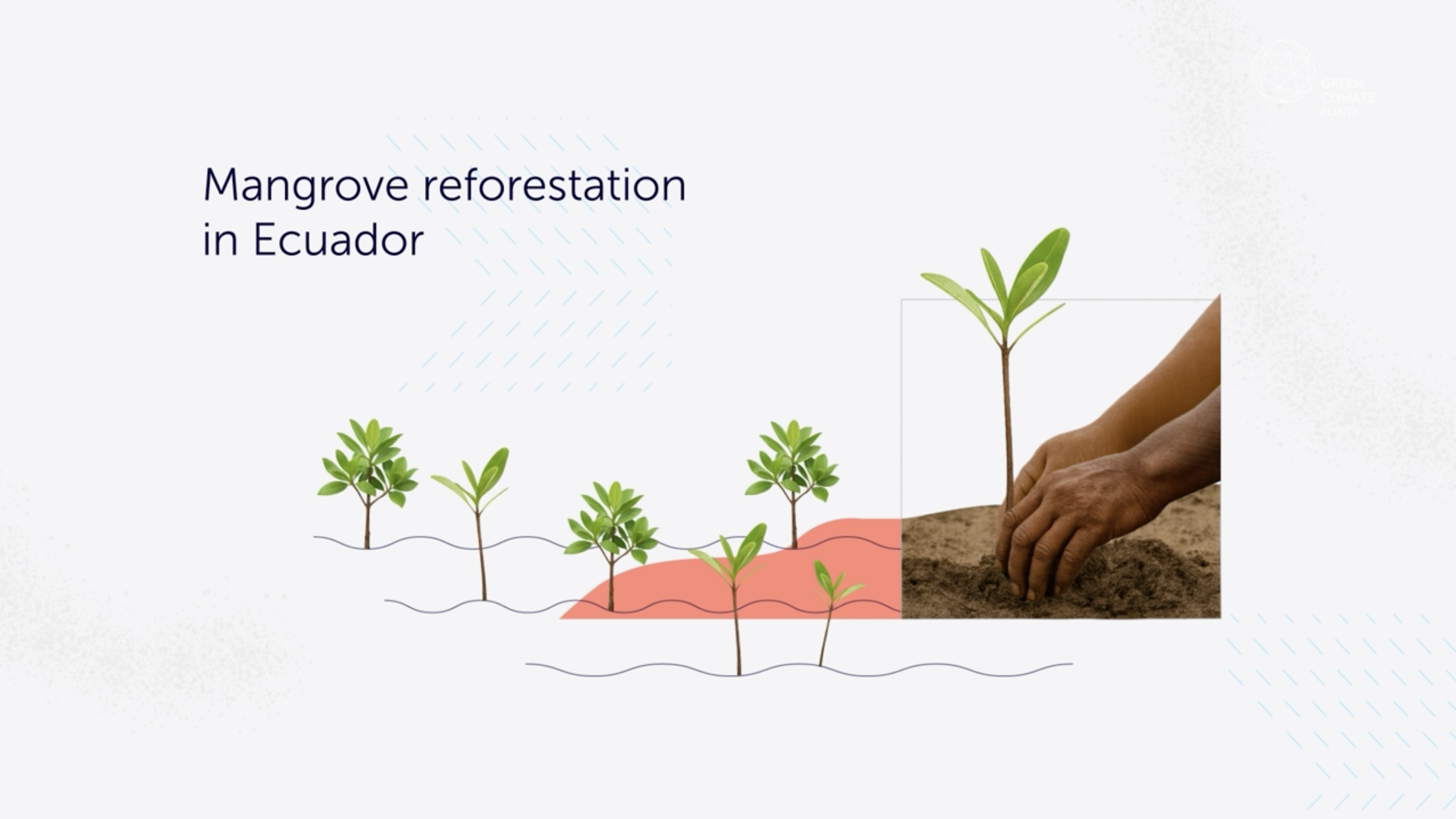
- Positioning GCF's role: Animated pathways connect funding to impact, while real photography shows actual GCF-supported projects—off-grid renewable energy, water infrastructure, coastal adaptation
- Communicating urgency: Key data appears integrated into the narrative—"USD 175 billion per year needed to meet SDG14 by 2030"—alongside an animated fisher, making the statistic feel human-scaled rather than abstract
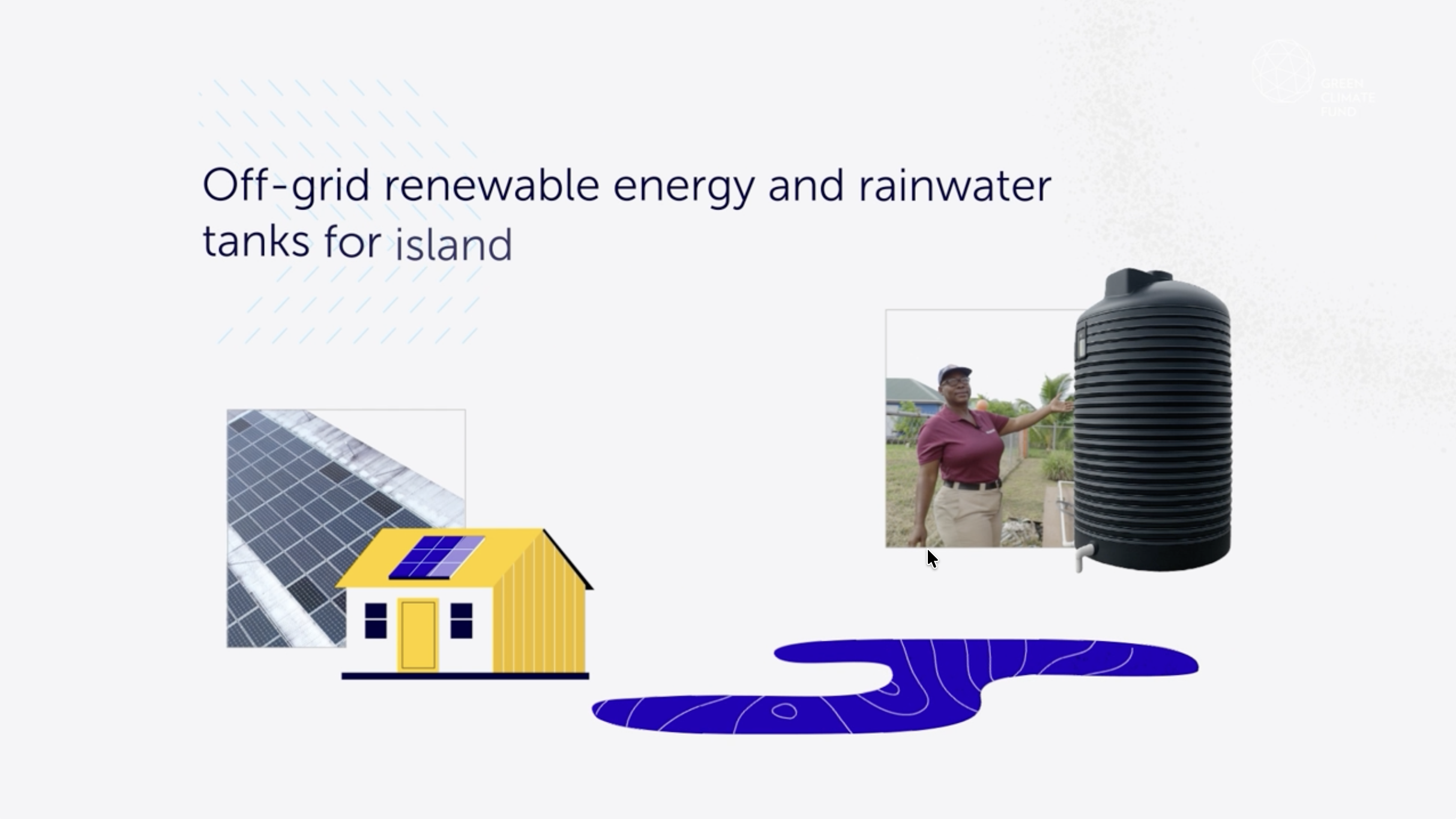
Design Execution:
We developed a distinctive visual identity combining deep blues and aqua tones (ocean credibility), vibrant purple accents (GCF's brand), warm yellows and coral tones (community optimism), and clean minimalist illustration (accessibility). Text appears with organic kinetic typography—words emerge like ripples in water, ensuring the video works equally well on large conference screens and mobile devices.
Campaign Integration & Impact
The video served multiple strategic functions at UNOC3: opening piece for Executive Director presentations, looped playback at exhibition booths, and anchor content for panel discussions.
Results:
The completed nonprofit video production gave Green Climate Fund visibility as a major ocean-climate actor while making complex climate finance accessible. The video successfully:
- Established authority: Positioned GCF as an organization with vision—understanding how economic development, climate resilience, and environmental protection advance together
- Simplified complexity: Transformed "Blue Economy" from jargon into a shareable concept that partners and advocates could use in their own communications
- Created multi-audience bridge: Finance ministers saw economic opportunity, environmental advocates recognized biodiversity priorities, coastal communities identified with fishing imagery and sustainability emphasis
- Delivered platform versatility: Mixed media approach ensured impact across contexts—from 40-foot conference screens to Instagram Stories
This project demonstrates how mixed media animation serves mission-driven organizations facing complex communication challenges: when environmental storytelling must balance scientific accuracy, economic opportunity, and human impact while reaching diverse global audiences, the right visual approach transforms institutional messaging into accessible, compelling narrative.
Credits
Agency: Future By Design
Animation Production: Yans Media
Similar project case studies